The conversation about remodel resale value is one of the most consistently misframed topics in real estate. Homeowners ask whether a project “pays for itself” or “adds value,” sometimes hoping for a yes that justifies the expense. The honest answer is that very few remodels return more than 100 percent of their cost at resale, in any market - and chasing that mythical 100 percent return is the wrong question to ask. The right question is which projects deliver enough value during the years of ownership plus enough recovery at sale to make the investment worthwhile.
Current Las Vegas market conditions in 2026 favor remodels that improve the home’s daily livability while remaining broadly appealing to future buyers. Highly personalized projects, themed spaces, and over-improvements relative to the neighborhood price point consistently underperform. Targeted improvements aligned with what buyers in the Las Vegas market expect and want consistently deliver the strongest combination of living value and selling value. Here is what actually works.
How to Think About Resale ROI
The standard real estate framing of “X percent ROI on this remodel category” oversimplifies what actually happens at sale. A more useful framing has three components.
The first component is the actual recovery of project cost at sale. A [$50,000] kitchen remodel might add [$35,000] to the sale price, recovering 70 percent of cost. The remaining [$15,000] is the cost of having had the upgraded kitchen during the years the homeowner lived in the home.
The second component is time on market. A home with a fresh, well-finished kitchen typically sells faster than a comparable home with a dated kitchen at the same price. The carrying costs of a home that takes 90 days to sell (mortgage, taxes, utilities, listing maintenance) often exceed the carrying costs of a home that sells in 14 days by [$5,000 to $20,000]. The remodel that reduces time on market delivers value that does not show up in the simple “did the sale price increase by the project cost” calculation.
The third component is buyer reaction during showings. A well-remodeled home receives stronger offers because buyers can imagine moving in immediately rather than mentally costing the renovation work they would need to do. This often shows up as multiple-offer situations and higher sale prices relative to listing price than the comparable home in dated condition would achieve.
Putting these three together produces a much better understanding of remodel resale impact than the simple percentage. A 70 percent direct cost recovery on a kitchen remodel might translate to roughly equivalent total value when accounting for time on market and showing impact.
The Projects That Consistently Lead
Several remodel categories consistently outperform in current Las Vegas market conditions.
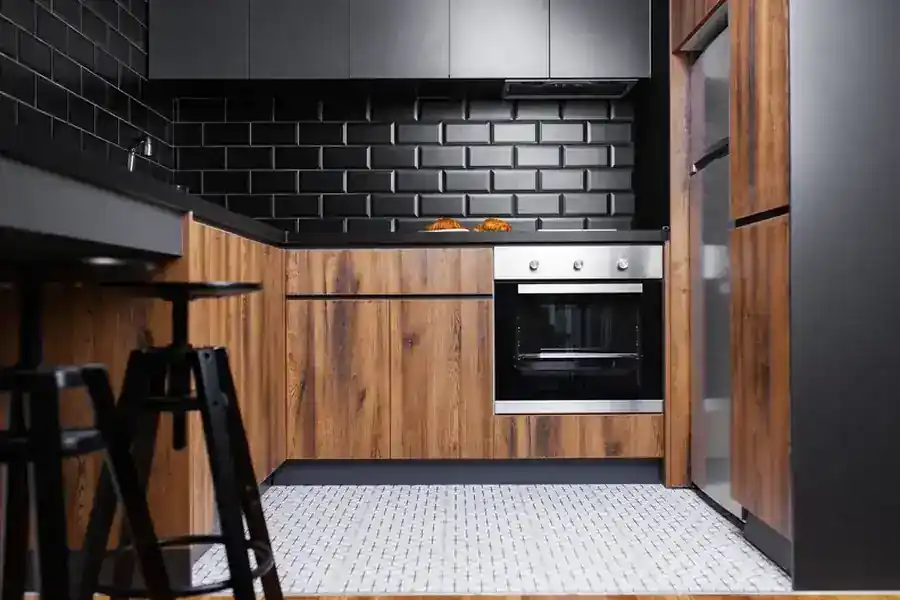
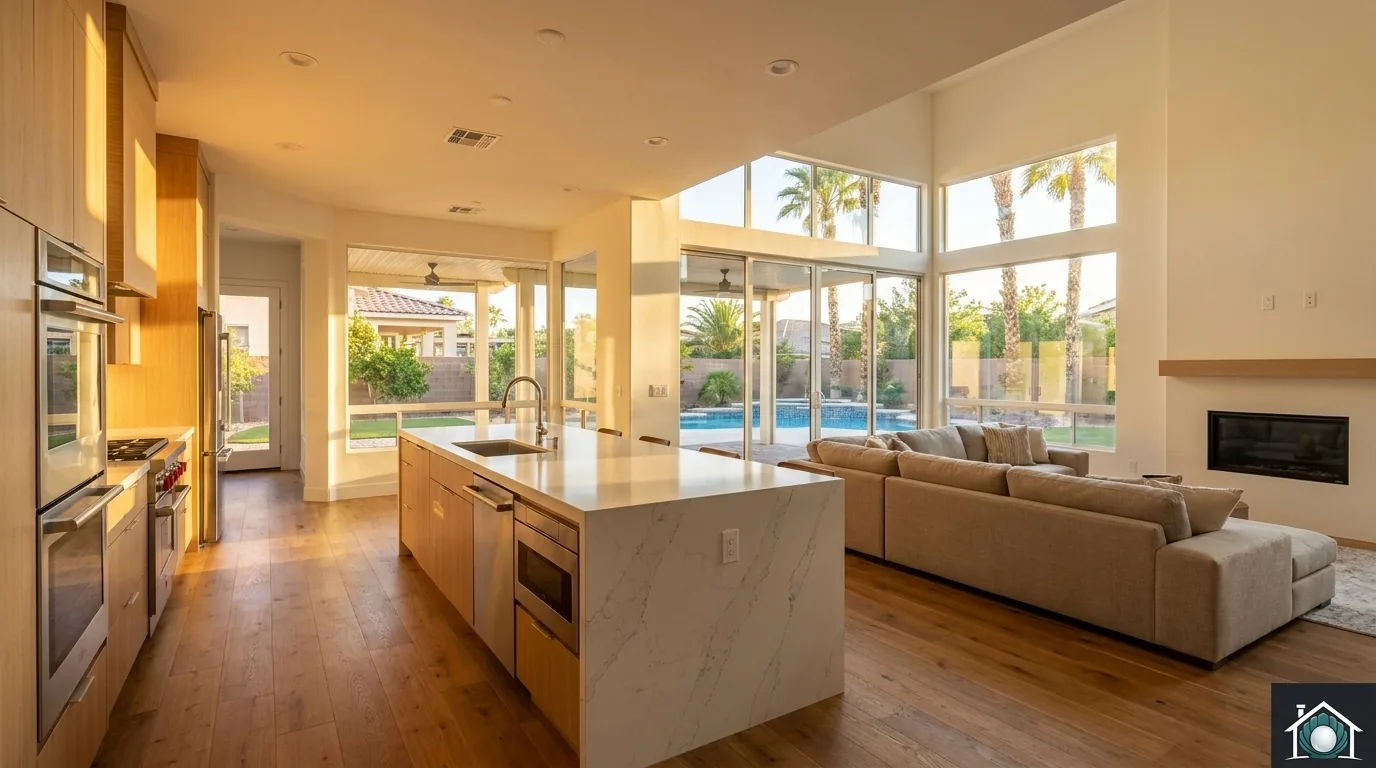
Kitchen remodels top the list. The kitchen is the room buyers most actively evaluate during showings, the most commonly referenced reason for choosing one home over another, and the room that most strongly signals overall home quality. A quality kitchen remodel in 2026 - warm wood or soft greige cabinets, quartz or porcelain counters, large-format tile or porcelain backsplash, open layout where the floor plan allows - typically recovers 65 to 80 percent of project cost at sale and significantly improves time on market. Project cost typically runs [$45,000 - $120,000+].
Primary suite remodels follow closely. A primary suite that integrates a redesigned bedroom, a spa-style master bathroom, and an updated closet delivers what current buyers expect in this price tier and significantly differentiates a home from comparable listings that have not been updated. Project cost typically runs [$50,000 - $150,000+] for the suite. Recovery typically runs 60 to 75 percent.
Curb appeal projects deliver the highest percentage recovery, though at smaller absolute dollar amounts. A fresh exterior paint in a current color palette ([$5,500 - $14,000]), updated front entry door ([$1,500 - $5,000]), refreshed front-yard drought-tolerant landscape ([$8,000 - $25,000]), and quality garage door replacement ([$2,500 - $6,000]) together transform the home’s first impression and consistently recover 75 to 95 percent of their cost at resale.
Outdoor living additions and improvements have moved up significantly in the past several years. A covered patio with electrical, an outdoor kitchen, and refreshed pool deck (where a pool exists) typically recover 60 to 80 percent of cost and meaningfully differentiate a home from comparable listings without backyard upgrades. Project cost varies widely - basic covers from [$15,000 - $35,000], full outdoor living suites from [$50,000 - $150,000+].
Targeted bathroom updates in secondary bathrooms consistently perform well. Buyers expect bathrooms to feel current; a dated guest bathroom or hall bathroom can pull down the overall impression of an otherwise updated home. Small bathroom remodels run [$15,000 - $35,000] and recover 65 to 80 percent of cost while significantly improving showings.
Flooring refresh across the main floor is often the highest-impact whole-home upgrade. Replacing original carpet and dated tile with continuous wide-plank engineered hardwood, premium LVP, or large-format porcelain transforms the visual character of the entire home. Project cost typically runs [$15,000 - $50,000] and recovers 60 to 80 percent of cost.
What Generally Doesn’t Pay Off
Several common project categories consistently underperform on resale, regardless of project quality:
Highly personalized design choices. Bold accent colors throughout the home, themed rooms (tropical, Tuscan, industrial, country), unusual fixture or hardware choices that read as one homeowner’s specific taste. Buyers either pay less for the home or plan to redo the work, both of which hurt the seller’s return.
Over-improvement relative to the neighborhood. A [$200,000 kitchen] in a [$600,000] home is not going to recover. The market caps how much of any home’s price can be allocated to any single feature, and projects that exceed the implicit ceiling for the neighborhood return well under their cost.
Elaborate water features and oversized recreational equipment. Built-in playground equipment, sport courts, large koi ponds, complex fountains, and oversized swim spas all carry narrow buyer appeal and high maintenance reputations. Most buyers prefer not to have them, even if they would not actively remove them.
Highly specialized rooms - dedicated theater rooms in homes without enough other living space, wine cellars that consume significant footprint, full home gyms with built-in equipment, custom craft rooms with built-in workstations. These appeal to specific buyer segments and read as wasted space to everyone else.
Adding a pool to a home that does not have one is one of the worst resale investments in Las Vegas. Installation costs typically run [$60,000 - $120,000+]; resale recovery typically runs 40 to 60 percent. The case for a new pool is the homeowner’s enjoyment during ownership, not the resale impact.
Major HVAC, roof, water heater, or window replacement done specifically for resale rather than at end of life. These upgrades are necessary maintenance that buyers expect rather than premium features that command higher prices. Replace these when they need replacement, not for resale boost.
The Cost / Recovery Pattern at a Glance
| Project Category | Typical Cost | Typical Recovery |
|---|---|---|
| Kitchen remodel (mid to high) | [$45,000 - $120,000] | 65 - 80% |
| Primary suite remodel | [$50,000 - $150,000] | 60 - 75% |
| Secondary bathroom remodel | [$15,000 - $35,000] | 65 - 80% |
| Whole-house exterior paint | [$5,500 - $14,000] | 80 - 95% |
| Front door replacement | [$1,500 - $5,000] | 80 - 100% |
| Garage door replacement | [$2,500 - $6,000] | 80 - 100% |
| Drought-tolerant landscape | [$8,000 - $25,000] | 75 - 95% |
| Covered outdoor living suite | [$25,000 - $80,000] | 60 - 75% |
| Whole-home flooring refresh | [$15,000 - $50,000] | 60 - 80% |
| Window replacement (full house) | [$15,000 - $45,000] | 50 - 70% |
| ADU / casita addition | [$120,000 - $300,000] | 50 - 70% |
| New pool installation | [$60,000 - $120,000+] | 40 - 60% |
| Elaborate water feature | Variable | 20 - 40% |
| Themed or specialized room | Variable | 15 - 40% |
These ranges are general industry estimates for current Las Vegas market conditions and depend on quality of execution, broader market dynamics, and the specific neighborhood price point.
Curb Appeal Outperforms Interior Investment Per Dollar
A consistent pattern in the data: exterior improvements deliver the highest percentage cost recovery, though at smaller absolute dollar amounts. The reason is straightforward - first impressions during showings dramatically affect buyer perception of the whole home. A buyer who walks up to a home with peeling exterior paint, dated landscape, and a beat-up front door has formed an opinion before they enter the house. A buyer who walks up to a home with crisp current paint, fresh landscape, and a quality front door is predisposed to view the interior positively.
For homeowners with limited remodel budgets specifically targeted at resale impact, the highest-leverage allocation is usually exterior work first, then targeted interior refresh (paint, fixtures, lighting), then any kitchen or bathroom work as the budget allows.
For homeowners with larger budgets and a longer time horizon, the bigger interior projects (kitchen, primary suite) deliver larger absolute dollar impact and significantly improve daily living during ownership. The right strategy depends on time horizon and budget.
When to Remodel for Resale vs Living
The strongest framing for any remodel decision is that the project is primarily for the homeowner’s daily life, with partial cost recovery at sale. Decisions made under this framing produce projects the homeowner enjoys for years and that hold up well at sale. Decisions made primarily for ROI tend to be over-budget, behind schedule, and produce results that please nobody in particular.
A few specific guidelines:
If you plan to sell within 1 year, do not undertake major remodels. The investment will not recover, the project will delay listing, and the buyer will not pay a premium for very recent work. Stick to targeted cosmetic improvements: paint, deep clean, minor fixture replacements, curb appeal.
If you plan to sell within 1 to 3 years, consider only the highest-leverage targeted improvements: kitchen refresh (not full remodel) if dated, secondary bathroom updates if needed, fresh exterior paint, curb appeal investments, and any visibly worn elements that buyers will flag.
If you plan to sell within 3 to 7 years, larger remodels can make sense if the homeowner will enjoy the result during the intervening years. Full kitchen remodels, primary suite updates, outdoor living additions all deliver years of usage value plus partial recovery at sale.
If you plan to stay 7+ years, remodel for living. Make the choices that maximize the homeowner’s enjoyment of the home during the extended period of ownership. Resale recovery becomes a smaller consideration relative to years of daily benefit.
Project Timing Before Listing
For homeowners planning to list within the next 6 to 18 months, project timing matters. Major remodel projects ideally finish 3 to 6 months before listing, which lets the work feel “settled in” rather than aggressively new. Buyers respond differently to a kitchen that looks lived-in but updated versus a kitchen that looks freshly installed - the former reads as “the seller enjoyed this for a while” while the latter raises questions about why the remodel happened so close to listing.
For lighter cosmetic improvements (paint, landscaping, fixture replacements), the timing is more flexible - these can happen 30 to 90 days before listing and still feel natural in the home’s presentation.
Planning for Either Outcome
The most useful planning framework is to assume the remodel is primarily for daily living and evaluate the resale impact as a secondary benefit. This framing eliminates the trap of over-spending in pursuit of unrealistic ROI projections while still capturing meaningful resale value when the home does eventually sell.
Pearl handles the full range of remodel project categories across the valley - kitchens, primary suites, outdoor living, additions, and whole-home refreshes - with the same approach to both living quality and resale-aware design. If you are planning a remodel and want to weigh the daily-life value against the resale considerations for your specific home and timeline, request a free in-home consultation or call (702) 602-8385. We will walk through the home with you, talk through realistic scope, and put together a plan and quote that fits your goals.