The kitchen remains the center of the home, and in Las Vegas it often doubles as the main gathering space for entertaining guests. Whether you are hosting a watch party, preparing holiday meals for extended family, or just making weeknight dinners easier, a well-designed kitchen makes every task more enjoyable. The trends shaping Las Vegas kitchen remodels in 2026 reflect a shift toward warmth, functionality, and materials that hold up in the desert climate.
Here is a look at the design directions, material choices, and layout strategies that are defining kitchen renovations across the valley this year.
Warm Wood Tones and Natural Finishes
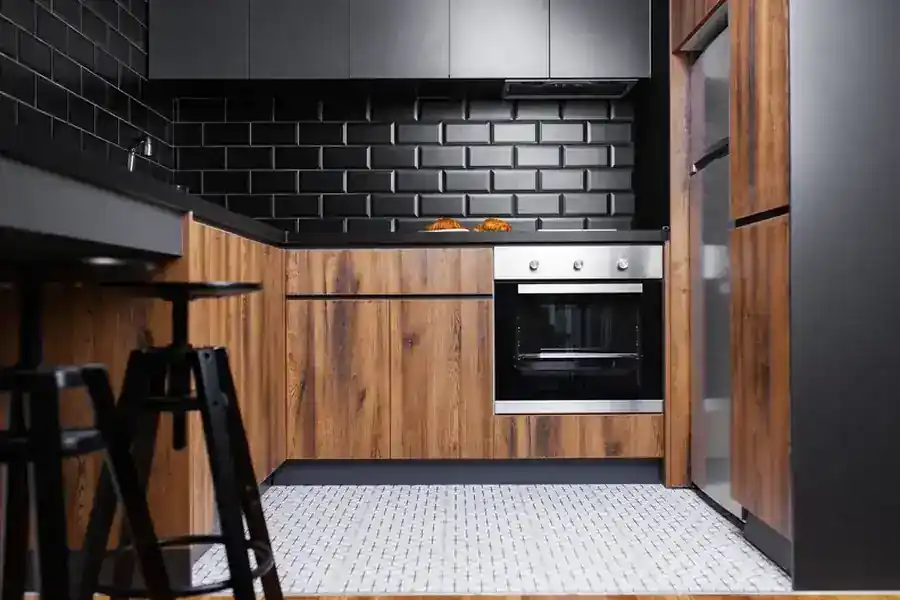
The era of all-white kitchens is fading. Las Vegas homeowners are moving toward warmer palettes that incorporate natural wood tones, soft earth colors, and textured finishes. White oak, walnut, and rift-sawn oak cabinets are replacing the painted white shaker doors that dominated the past decade.
This shift is partly practical. In a city surrounded by desert landscape, interiors that lean too sterile can feel cold and disconnected from the environment. Warm wood tones bring a sense of grounding that works especially well with the natural light that floods most Las Vegas homes through large windows.
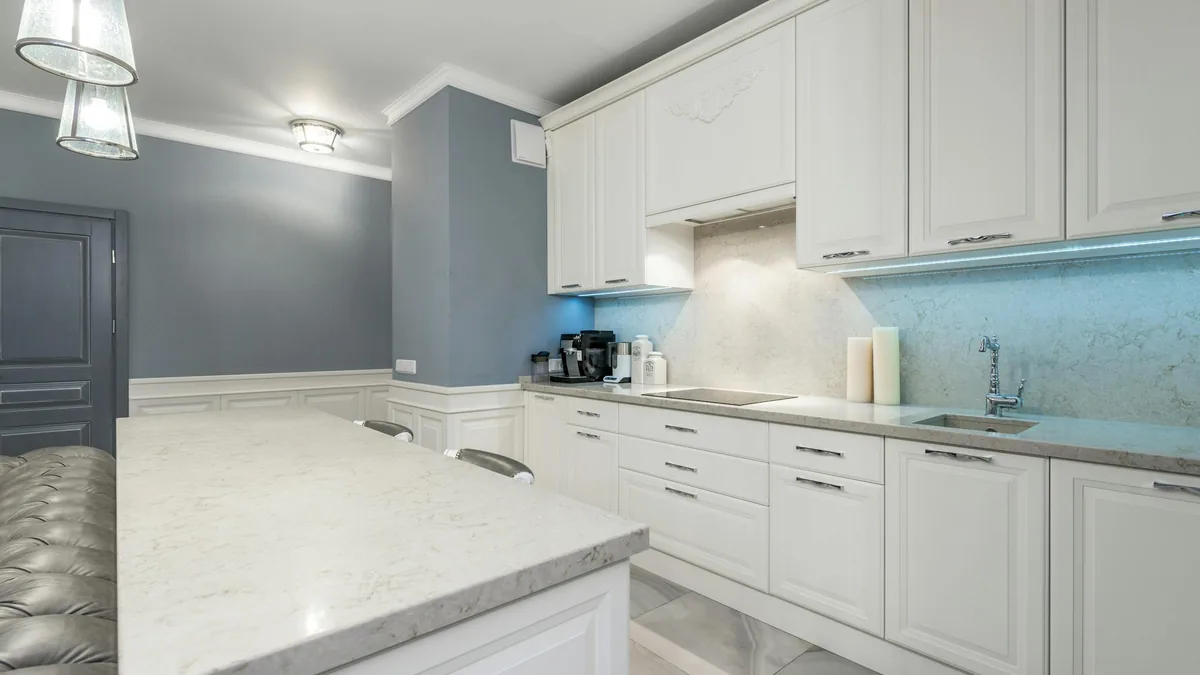
Matte and satin finishes are preferred over high gloss. They hide fingerprints and minor wear better, which matters in a kitchen that sees daily use. For homeowners who still want lighter cabinetry, soft greiges, warm taupes, and creamy off-whites are popular alternatives that add warmth without going dark.
Integrated and Panel-Ready Appliances
Seamless kitchen design is a major priority in 2026. Panel-ready refrigerators, dishwashers, and even range hoods that blend into the cabinetry create a clean, uninterrupted visual line. This approach lets the materials and finishes take center stage instead of stainless steel appliance fronts.
Integrated appliances cost more than freestanding models, but the impact on the overall design is significant. In open-concept Las Vegas homes where the kitchen is fully visible from the living and dining areas, this seamless look elevates the entire main floor.
Induction cooktops are also gaining traction. They cook faster than gas, generate less ambient heat (a real benefit when outdoor temperatures hit 115 degrees), and are easier to clean than traditional electric coils. For homeowners building new or doing a full kitchen gut, induction paired with proper ventilation is a forward-looking choice.
Oversized Kitchen Islands
Large kitchen islands continue to be one of the most requested features in Las Vegas remodels. Islands measuring 8 to 12 feet long are common in the open floor plans that dominate valley home construction. These islands serve multiple functions: food prep, casual dining, homework stations, and a gathering point during parties.
In 2026, waterfall edges remain popular, where the countertop material flows down one or both sides of the island to the floor. This detail works well with quartz, porcelain slab, and natural stone, adding a sculptural quality to the kitchen.
Dual-level islands are also trending. A slightly raised bar section at the back of the island separates the cooking zone from the seating area, hiding any prep mess from guests. This practical design touch makes entertaining more relaxed.
For islands this size, adequate electrical outlets, under-counter storage, and possibly a secondary sink or prep sink are worth planning from the start. Retrofitting these elements later is far more expensive than including them in the original design.
Bold Backsplash Statements
The backsplash has become one of the primary design focal points in Las Vegas kitchens. Homeowners are moving beyond simple subway tile and embracing bolder choices. Zellige tile, handmade ceramic tile with irregular edges, and large-format porcelain slabs that run from counter to ceiling are all popular.
Full-height backsplashes, where the material extends from the countertop all the way to the upper cabinets or ceiling, are especially common in 2026. This creates a dramatic visual impact and also provides a larger, easier-to-clean surface compared to a standard 4-inch backsplash.
Color is making a comeback in backsplash design. Deep greens, rich blues, and warm terracotta tones are appearing in kitchens that use neutral cabinetry and countertops. The backsplash becomes the accent piece that ties the whole room together.
For homeowners who prefer a minimal look, bookmatched porcelain slabs or natural stone slabs provide visual interest through veining and pattern without introducing a contrasting color.
Quartz and Porcelain Countertops
Quartz continues to dominate the Las Vegas countertop market, but porcelain slab countertops are closing the gap. Both materials offer excellent durability for the desert environment.
Quartz is non-porous, resistant to staining, and does not require sealing. It holds up well in kitchens that see heavy daily use. The variety of colors and patterns available, including options that closely mimic marble and natural stone, gives homeowners broad design flexibility.
Porcelain slab countertops are thinner, lighter, and extremely heat resistant. You can set a hot pan directly on a porcelain surface without damage, which is not recommended with quartz. Porcelain is also UV resistant, so it will not discolor near windows that get direct desert sunlight.
Natural stone, particularly quartzite and certain granites, still has a place in high-end Las Vegas kitchen remodels. But for most homeowners, the combination of performance, consistency, and value that quartz and porcelain offer makes them the practical choice.
Smart Storage Solutions
Maximizing storage in the kitchen is a perennial concern, and 2026 brings more refined solutions. Pull-out pantry systems, deep drawer organizers, corner cabinet lazy susans with modern soft-close mechanisms, and appliance garages that hide small appliances behind tambour doors are standard requests in Las Vegas kitchen remodels.
Tall pantry cabinets with pull-out shelving have largely replaced traditional reach-in pantries. Every inch of vertical space is accessible without digging to the back of a deep shelf. For homes with limited pantry square footage, these systems dramatically increase usable storage.
Under-island storage is also getting more attention. Instead of filling the back side of an island with decorative panels, designers are incorporating open shelving for cookbooks, wine storage, or display items on the side facing the living area. The working side stays functional with deep drawers and cabinets.
Drawer-style refrigerators and freezers, installed under the counter near prep zones, reduce trips across the kitchen during cooking. These units are especially popular in larger kitchens where the main refrigerator sits further from the primary work area.
Improved Ventilation
Proper kitchen ventilation matters everywhere, but in Las Vegas it deserves special attention. Many homes in the valley have tight building envelopes designed to keep conditioned air inside. Without adequate ventilation, cooking odors, grease, and moisture linger.
In 2026, more Las Vegas homeowners are investing in properly sized range hoods with exterior venting rather than recirculating models. The minimum recommendation for most kitchen configurations is a hood that moves 400 to 600 CFM (cubic feet per minute), with higher capacity for professional-style ranges.
Design-wise, range hoods are becoming statement pieces. Custom wood or plaster hoods that blend with the cabinetry, minimalist stainless steel designs, and concealed hoods built into the ceiling above the cooktop all have a place depending on the kitchen style.
For island cooktops, downdraft ventilation systems have improved significantly. Modern downdraft units are more powerful and lower-profile than earlier generations, making them a viable alternative to ceiling-mounted island hoods.
Lighting as a Design Layer
Lighting strategy in Las Vegas kitchens has evolved beyond basic recessed cans. A layered approach with task, ambient, and accent lighting is the standard in 2026 remodels.
Under-cabinet LED strips provide focused task lighting on countertops. Pendant lights over islands serve as both functional lighting and design accents. Recessed lighting on dimmers handles general illumination. And toe-kick lighting or in-cabinet lighting adds a subtle glow that enhances the space during evening entertaining.
Warm color temperatures in the 2700K to 3000K range are preferred. They complement the warm wood tones and natural material palettes that are popular this year, and they create a more inviting atmosphere than the cooler 4000K to 5000K lights that were common in kitchens a few years ago.
Planning Your Kitchen Remodel
A full kitchen remodel in Las Vegas typically takes 8 to 14 weeks from demolition to completion, depending on the scope of work and material lead times. Custom cabinetry can add several weeks to that timeline, so early planning is important.
Working with a remodeling contractor who sources materials locally and understands Las Vegas building codes will keep the project on schedule. Permit requirements, HOA guidelines (if applicable), and the specific demands of desert construction all factor into a smooth renovation.
Whether you are updating a 20-year-old builder-grade kitchen or designing your dream cooking space from scratch, the trends in 2026 offer a strong foundation. Warm finishes, smart storage, durable surfaces, and thoughtful lighting come together to create kitchens that look beautiful and work hard every day.