Energy bills in Las Vegas climb fast during the summer months. When outdoor temperatures sit above 100 degrees for weeks at a time, your HVAC system works overtime to keep your home comfortable. And if your home has older single-pane or early double-pane windows, a significant portion of that cooled air is fighting a losing battle against heat pouring through the glass.
Window replacement is one of the most effective upgrades Las Vegas homeowners can make to reduce energy costs, improve indoor comfort, and extend the life of their HVAC systems. This guide covers why windows matter so much in the desert, what to look for when shopping for replacements, and how the investment pays off over time.
Why Windows Are a Weak Point in Desert Homes
Glass is a poor insulator compared to the walls and roof of your home. Even in a well-insulated house, windows are the primary pathway for heat gain in the summer and heat loss in the winter. In Las Vegas, summer heat gain is the dominant concern.
Single-pane windows, which are still found in many older valley homes built before the mid-1990s, offer almost no resistance to heat transfer. A single pane of glass has an R-value (a measure of insulation) of roughly 0.9. For comparison, a standard insulated wall has an R-value of 13 to 15.
Early double-pane windows are better, but many of those installed in Las Vegas homes during the 1990s and early 2000s have lost their seal. When the seal between the two panes fails, the insulating gas (usually argon) leaks out, and the window’s thermal performance drops significantly. A foggy or hazy appearance between the panes is a clear sign the seal has failed.
Beyond insulation, older windows often lack low-emissivity (low-E) coatings that block solar radiation. Without low-E glass, sunlight streaming through a window heats up your floors, furniture, and walls, which then radiate that heat into the room long after the sun has moved. This solar heat gain is responsible for a large share of cooling costs in Las Vegas homes.
What to Look for in Replacement Windows
Choosing the right replacement windows for Las Vegas means focusing on the features that matter most in a hot, sunny climate. Not all energy-efficient windows are designed for desert conditions. A window rated for cold climates may block heat loss in winter but do little to reduce solar heat gain in summer.
Solar Heat Gain Coefficient (SHGC)
The Solar Heat Gain Coefficient measures how much solar radiation passes through the glass. It ranges from 0 to 1, with lower numbers meaning less solar heat enters your home. For Las Vegas, look for windows with an SHGC of 0.25 or lower. This is the single most important number for reducing cooling costs in the desert.
Windows with a very low SHGC use advanced low-E coatings that reflect infrared radiation (heat) while still allowing visible light to pass through. You get natural daylight without the heat penalty.
U-Factor
The U-factor measures how well a window prevents heat from passing through it overall. Lower numbers are better. For Las Vegas, a U-factor of 0.30 or lower is a good target. This matters for both summer cooling and winter heating, though the summer impact is more significant here.
Visible Transmittance (VT)
Visible Transmittance indicates how much natural light the window lets through. Higher numbers mean more daylight. Aim for a VT of 0.40 or higher so your rooms stay bright and you do not have to compensate with artificial lighting during the day. The best modern windows achieve a low SHGC while maintaining good visible transmittance, which was difficult to accomplish with earlier glass technologies.
Frame Material
In the Las Vegas climate, vinyl and fiberglass frames are the most practical choices. Both resist warping, cracking, and fading from intense UV exposure. Vinyl is the more affordable option and performs well for most homes. Fiberglass is stronger, has better dimensional stability in extreme heat, and can be painted, but costs more.
Aluminum frames, while common in older Las Vegas construction, conduct heat readily and are generally a poor choice for energy efficiency unless they include a thermal break.
Wood frames offer beautiful aesthetics but require significant maintenance in the desert. UV exposure, extreme dryness, and temperature swings take a toll on exterior wood surfaces. If you want a wood interior appearance, consider fiberglass frames with a wood-look interior finish.
How Much Energy Can New Windows Save
The exact savings depend on the size of your home, the number and size of windows, your current window condition, and your HVAC system efficiency. But the general numbers are compelling.
According to the U.S. Department of Energy, replacing single-pane windows with ENERGY STAR-rated windows can save $126 to $465 per year on energy bills nationally. In Las Vegas, where cooling accounts for a larger share of energy use than the national average, savings on the higher end of that range are common.
Homeowners replacing failed double-pane windows (where the seal has broken) with modern low-E, argon-filled units typically see a 15 to 25 percent reduction in cooling costs. For a household that spends $300 to $400 per month on electricity during peak summer, that translates to $45 to $100 per month in savings during the hottest billing periods.
Beyond direct energy savings, new windows reduce the workload on your HVAC system. Your air conditioner cycles less frequently, which extends the life of the compressor and reduces maintenance costs. In a city where AC systems run hard for five or six months of the year, this secondary benefit adds up.
The Role of Window Orientation
Not all windows in your home contribute equally to heat gain. South-facing and west-facing windows receive the most direct sunlight and are the biggest contributors to cooling costs.
West-facing windows are particularly problematic because they take the full force of the afternoon sun during the hottest part of the day. If your budget requires prioritizing which windows to replace first, start with the west-facing and south-facing windows. This targeted approach gives you the biggest energy savings per dollar spent.
East-facing windows receive morning sun, which is less intense but still contributes to heat gain. North-facing windows receive the least direct sun and are the lowest priority for energy-driven replacement, though they still benefit from upgraded insulation and air sealing.
Installation Quality Matters
Even the best windows underperform if they are installed poorly. In Las Vegas, proper installation includes several details that are easy to overlook.
Air sealing around the window frame is critical. Gaps between the window unit and the rough opening allow hot outdoor air to infiltrate and conditioned air to escape. Spray foam insulation, backer rod and caulk, and proper flashing all play a role in creating a tight seal.
The installation crew should also ensure that the windows are level, plumb, and square. Windows that are forced into openings that are slightly out of square may look fine initially but can develop operational problems over time. Sashes may stick, locks may not engage properly, and seals may wear unevenly.
Ask your contractor about their installation warranty separately from the manufacturer’s product warranty. A strong installation warranty of 5 to 10 years gives you peace of mind that any issues related to how the window was installed will be addressed.
Available Incentives and Rebates
Federal and local incentives can offset a significant portion of window replacement costs. The federal Energy Efficient Home Improvement Credit (under Section 25C of the tax code) allows homeowners to claim up to $600 per year for qualifying windows installed in their primary residence. The windows must meet ENERGY STAR Most Efficient criteria to qualify for the full credit.
NV Energy, the primary utility provider in the Las Vegas valley, periodically offers rebates for energy-efficient home improvements, including window replacement. Check their current program offerings before starting your project, as rebate amounts and qualification requirements change periodically.
Some window manufacturers also offer their own promotions throughout the year. Combining a manufacturer promotion with the federal tax credit and any utility rebates can reduce the net cost of a full-home window replacement by several thousand dollars.
What to Expect During the Replacement Process
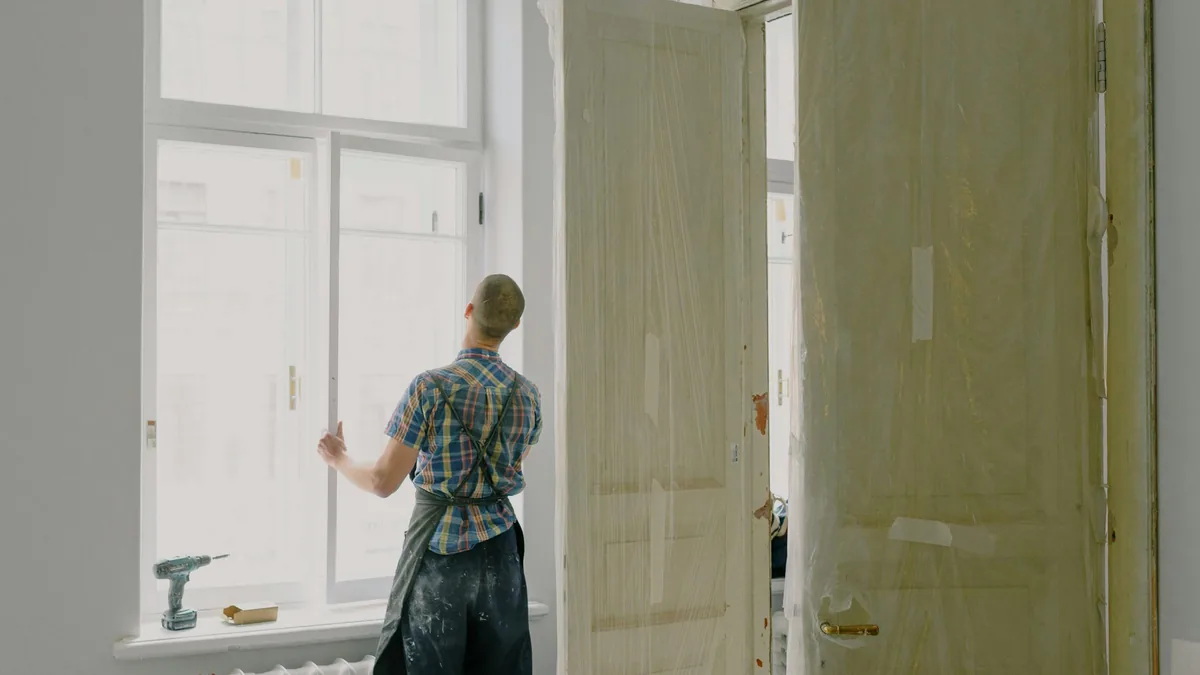
A whole-home window replacement for a typical Las Vegas home with 15 to 25 windows usually takes 1 to 3 days. Most installations are done from the exterior, so disruption inside the home is minimal.
The process involves removing the old window sash and frame (or just the sash in a retrofit installation), preparing the opening, setting the new window, insulating and sealing the gaps, and applying interior and exterior trim. A retrofit installation, where the new window fits inside the existing frame, is faster and less expensive than a full-frame replacement but may not be appropriate if the existing frame is damaged or rotted.
During the installation period, your home will be briefly open to the elements as each window is swapped. Scheduling the work during spring or fall, when temperatures are moderate, makes the process more comfortable for everyone. March through May and September through November are ideal months for window replacement in Las Vegas.
Making the Decision
Window replacement is a substantial investment. A full-home project typically costs $8,000 to $20,000 depending on the number of windows, frame material, glass options, and installation method. But in Las Vegas, the payback period is shorter than in many other parts of the country because of the extreme cooling loads that older windows create.
If your windows are single-pane, have failed seals, feel hot to the touch during summer, or let in noticeable drafts, replacement should be near the top of your renovation priority list. The comfort improvement alone is often worth the investment, and the monthly energy savings build a return that continues for the 20 to 30 year lifespan of quality replacement windows.
Choosing a contractor experienced with desert climate installations ensures the job is done right the first time. Proper window selection, correct installation techniques, and attention to air sealing are what separate a good window project from a great one.